Creative Land Trust Summit in Helsinki, Finland
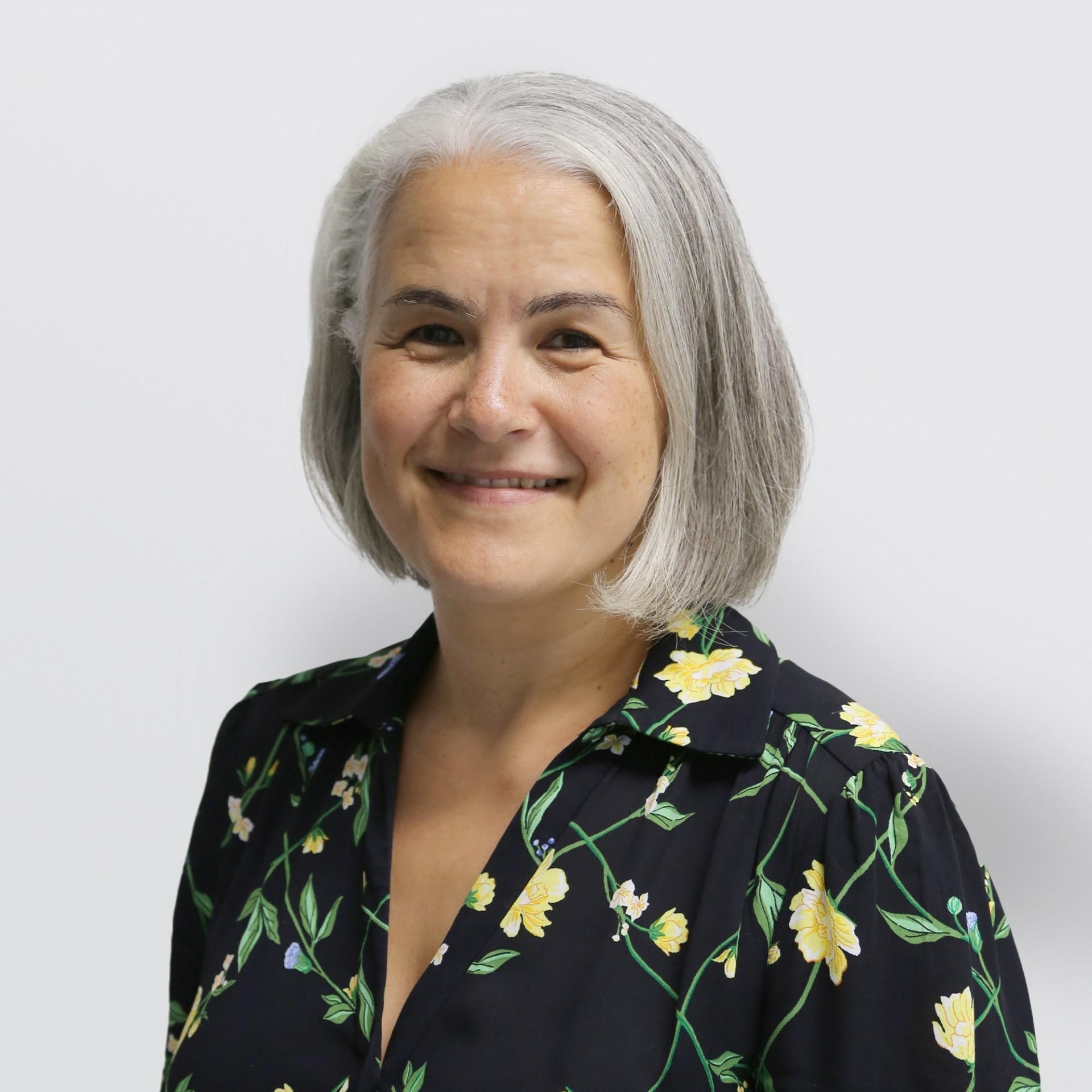
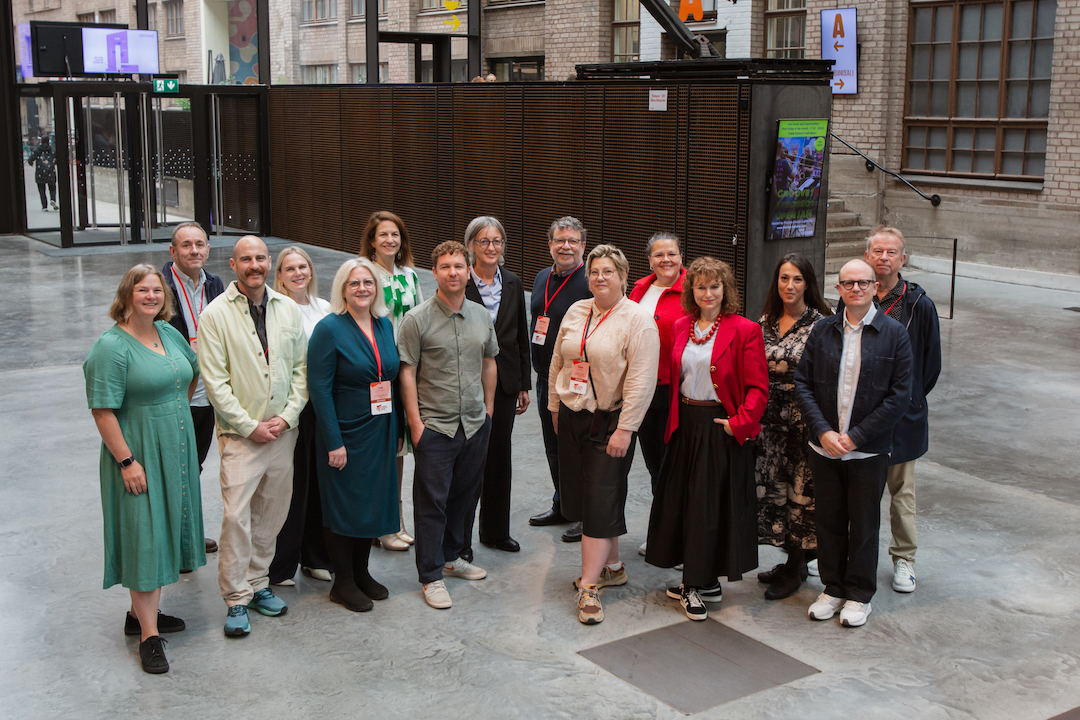
External Relations and Fundraising Director Yves Blais attended the second Creative Land Trust Summit in September on behalf of Creative Land Trust, London. This year's event took place in Helsinki, Finland.
The summit brings together arts organisations, funders and city policymakers to explore how cultural and creative spaces can thrive in towns and cities, and how they can remain affordable, accessible and protected over the long term. The event attracted 100 delegates from 33 cities across 11 countries.
“Each (panellist) presented approaches to impact reporting that demonstrate the value of creative workspace and cultural activity in their communities. “
The programme featured seminars, panel discussions and case study presentations exploring themes across the community and creative land trust movements. Topics ranged from funding models and organisational structures to impact measurement and community benefit. The summit provided a valuable platform for delegates to share methodologies, exchange ideas and discuss common challenges and ambitions.
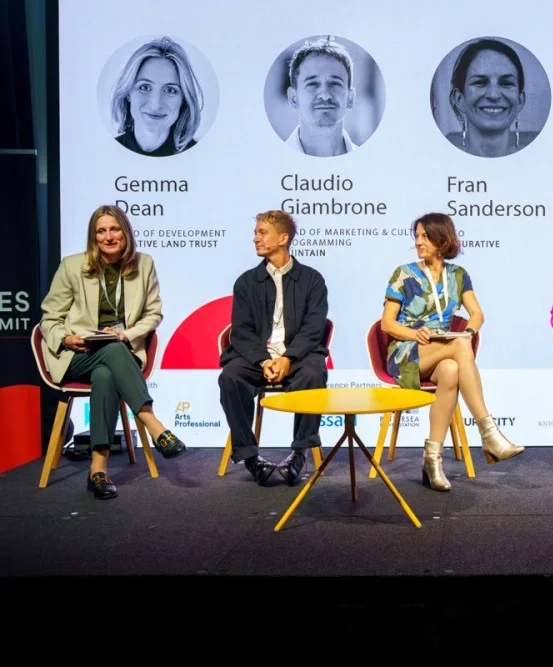
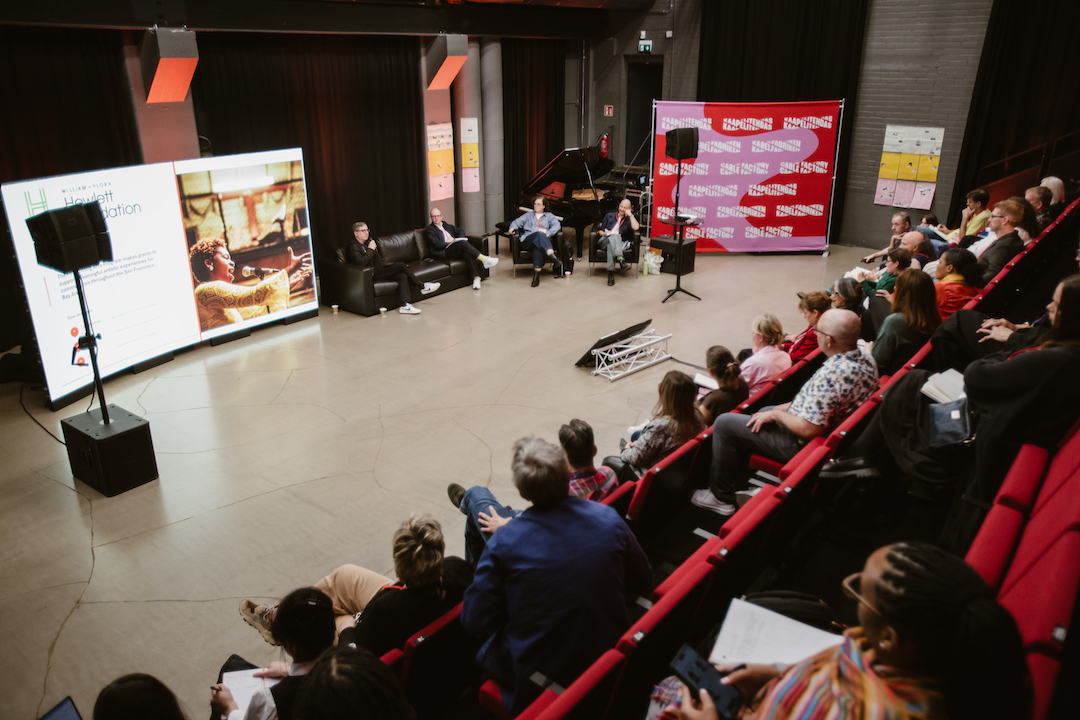
Yves chaired a panel discussion, Presenting the Evidence: Impact Methodologies That Resonate with Funders. Creative Land Trust has measured the impact of its buildings and programmes since 2021, and Yves shared the organisation’s recent work to better communicate that impact. He introduced Creative Land Trust’s new Theory of Change and its first Impact Report, both now available on Creative Land Trust’s new website.
Fellow panellists included Justine Hyde of the Abbotsford Convent Foundation (Melbourne), Tom DeCaigny and Hannah Garcia from the William and Flora Hewlett Foundation (California), and João Guarantani of Bow Arts (London). Each presented approaches to impact reporting that demonstrate the value of creative workspace and cultural activity in their communities.
Abbotsford Convent Foundation shared its recent report measuring cultural value across five pillars, estimating an annual impact of more than $300 million. Bow Arts highlighted its Artists in Thamesmead report, which identifies seven key roles artists play in shaping and supporting urban change. The Hewlett Foundation outlined how it evaluates and learns from funded projects through its Performing Arts Program to better support the sector.
The discussion explored a range of issues, including balancing funder reporting requirements with the capacity of funded organisations, capturing outcomes that are often overlooked, such as artist retention in cities, and the benefits of developing shared methodologies and evidence frameworks across regions.
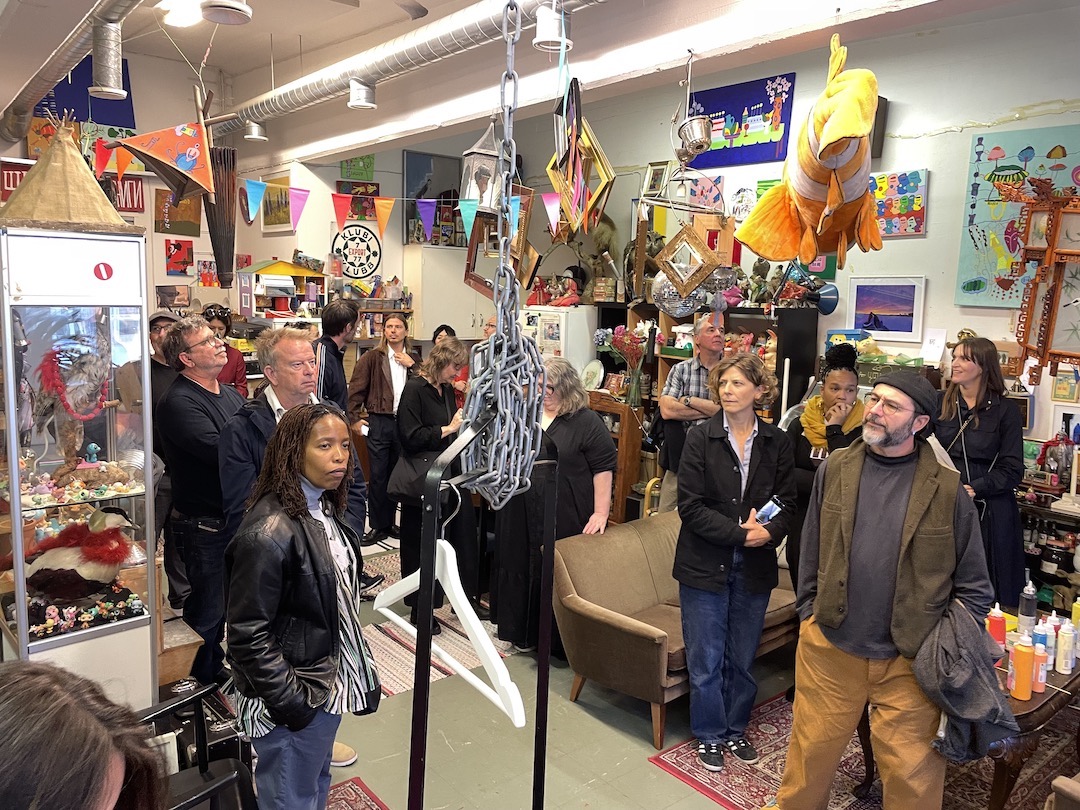
The summit was hosted by Kaapeli, a major arts and cultural complex in the heart of Helsinki. Spanning 97,000 square metres across three sites, it accommodates more than 200 artist studios, three museums, five arts schools, seven dance companies, four circus companies, 60 rehearsal studios, 40 cultural organisations and 40 creative industry businesses.
Kaapeli is operated by a company owned by Helsinki City Group, a subsidiary of the City of Helsinki. The organisation was established in the early 1990s within the former Cable Factory, once home to Nokia, from which Kaapeli takes its name. Following Finland’s recession after the collapse of the Soviet Union, the factory became redundant. In response to calls from artists and creative communities, the city repurposed the site for cultural use, recognising the role that affordable creative space could play in revitalising both the local economy and the surrounding area.
Today, Kaapeli is a cornerstone of Helsinki’s cultural infrastructure and an integral part of the city’s identity.
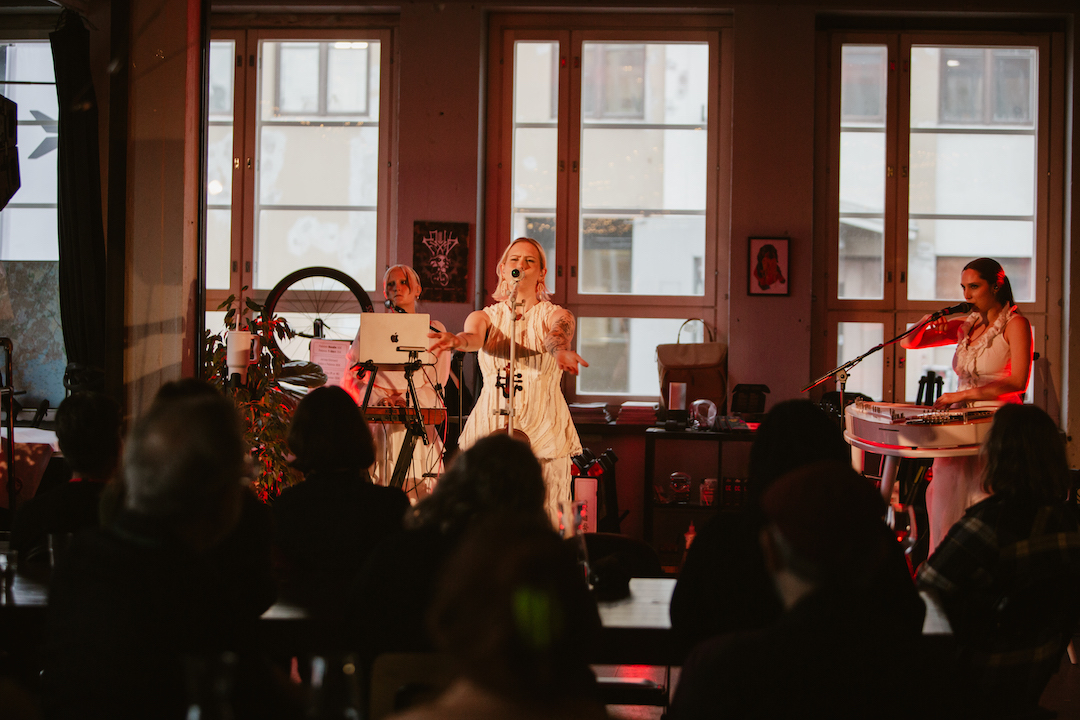
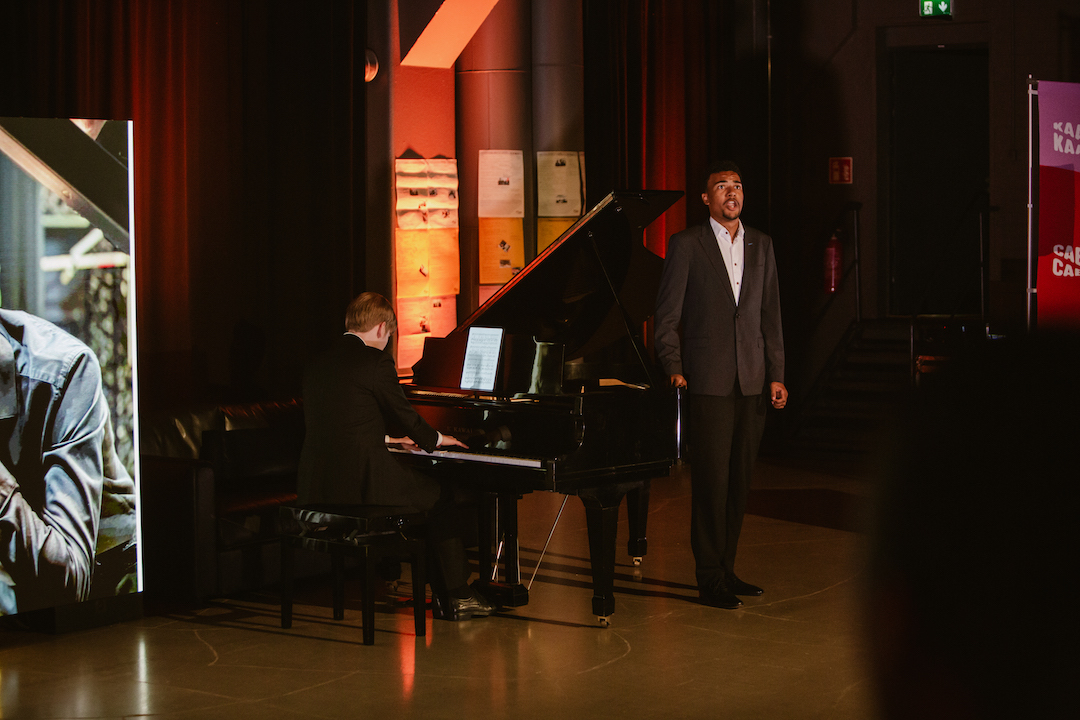
The summit also featured performances by Finnish artists including Signmark, Vilma Jää and Tero Saarinen Company, all of whom have current or historic connections to Kaapeli through studio or rehearsal space. Their performances reinforced one of the summit’s central themes: the importance of securing long-term space for artists, the communities they enrich and future generations of creative practitioners.
The event was supported by Kenneth Rainin Foundation, William & Flora Hewlett Foundation, Bloomberg Philanthropies, Good Chaos, Metcalf Foundation, Inspirit Foundation, San Francisco Foundation and Barr Foundation. It was produced by Left Bank Co., with the World Cities Culture Forum serving as Global Partner.
Image credit: Joni Helminen