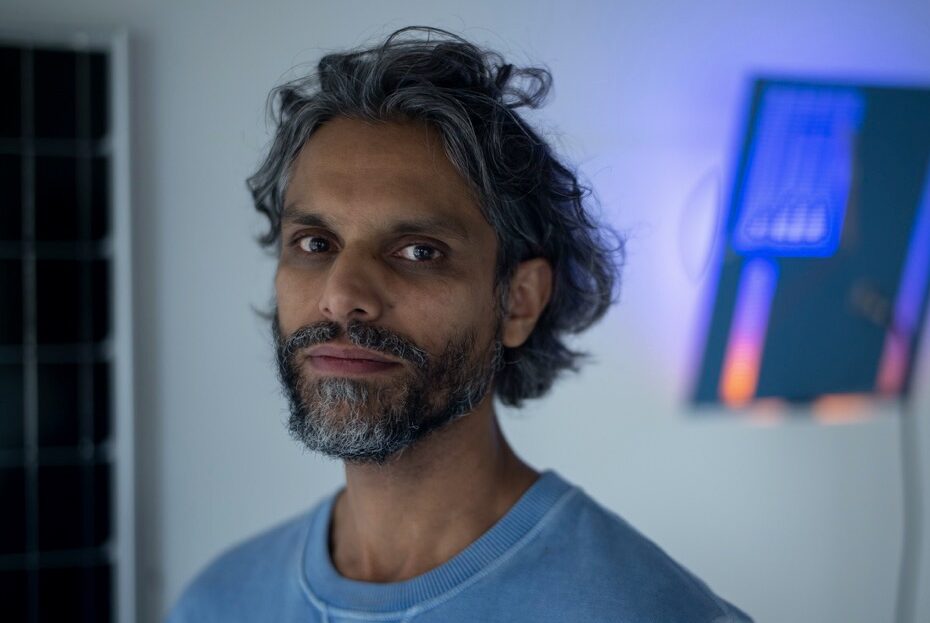
A Look at Artist Lives with Dr Susan Jones
What happens after an exhibition or project ends? How do artists build sustainable art practices, find genuinely supportive relationships and continue to make the work they believe in?
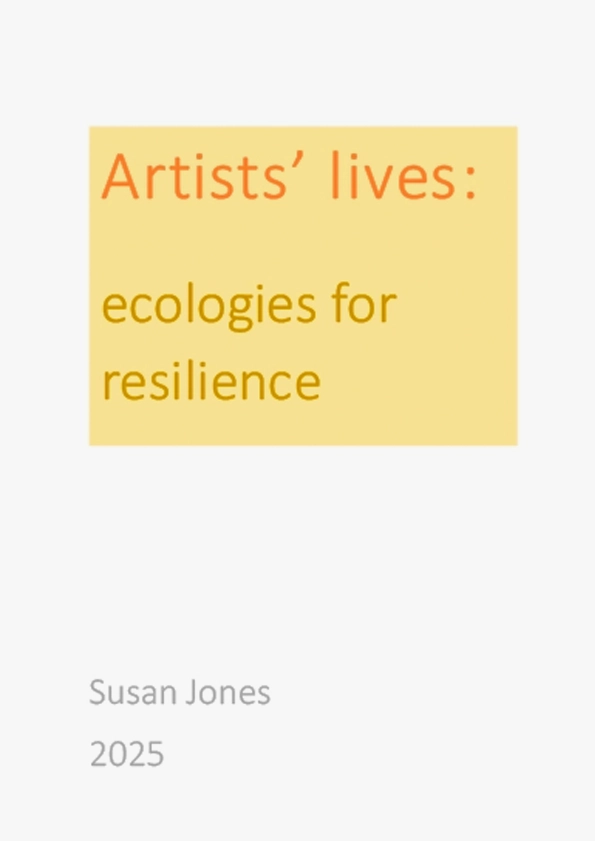
Dr Susan Jones has spent years listening to the reality of being an artist. Her research, Artists' lives: ecologies for resilience, was produced for Creative Land Trust and published in 2025. The report follows fourteen artists over time, capturing the complexities involved in balancing life and artistry.
“Some of the most significant aspects of the visual arts sector cannot be captured through quantitative metrics alone… it is less able to account for the lived conditions through which artistic practice is sustained.”
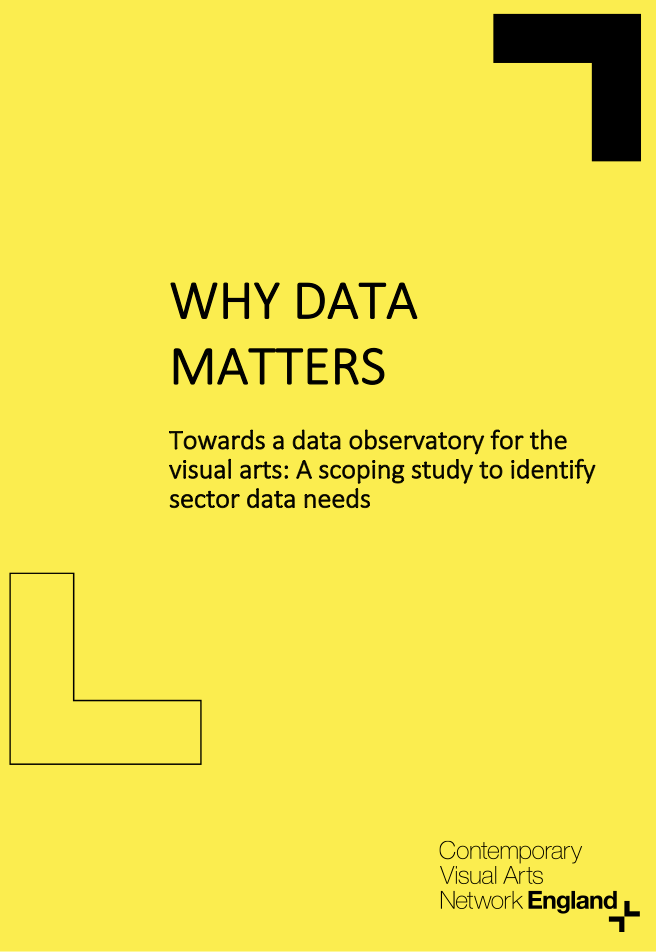
The study is now being recognised more widely. The Contemporary Visual Arts Network’s (CVAN) 2026 report, Towards a Data Observatory for the Visual Arts, names Susan’s longitudinal, qualitative approach as good practice. In making the case for integration of such into the formal framework for such an observatory, the CVAN report states “[this] longitudinal work on artists’ lives is particularly important in this respect. Her research demonstrates how visual artists sustain practices over time through conditions of systemic precarity, invisible labour, underpayment, personal subsidy, and resilience. These are precisely the kinds of issues that may be widely recognised within the sector, but which are difficult to capture through standard employment or income categories alone. Long-form narrative evidence helps show how these pressures accumulate across a career, and how policy frameworks can fail to recognise artists as central producers of value rather than peripheral beneficiaries of cultural infrastructure.”
Notably, it has given rise specifically to: “Recommendation 4: Integrate Qualitative and Narrative Evidence. Some of the most significant aspects of the visual arts sector cannot be captured through quantitative metrics alone. While numerical data is essential for demonstrating scale, distribution, and economic contribution, it is less able to account for the lived conditions through which artistic practice is sustained. Issues such as precarity, invisible labour, underpaid or unpaid work, fragmented careers, and long-term professional trajectories often fall outside conventional measurement frameworks. These are not marginal concerns, but central features of how the visual arts sector operates.
The study has also been part of the papers for the APPG for Visual Arts and Artists.
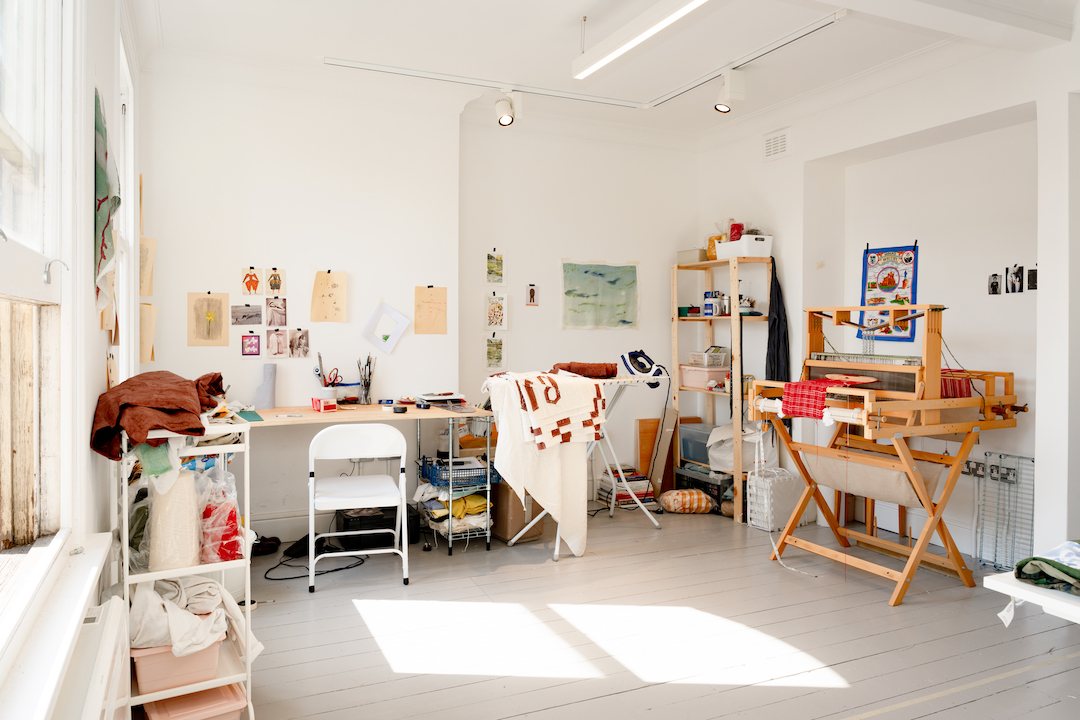
We, alongside many others that have been doing this work before us, believe that permanent artist studios matter. A studio allows artists to grow and establish works to advance in their practice. Expensive rented studios are often underused, because artists must earn elsewhere to keep them. One artist in the study puts it plainly: “Affordable space is crucial… as my practice needs a lot of space. It can’t be done at home.”
On 3 October, Susan joined artists Matthew Burrows MBE and Lydia Catterall at Middlesbrough Art Week for Persistent practices. They explored what happens after a project ends, how artists sustain their work, and why direct support for artists is essential to a healthy society.
Read the full report in our Research section.