Creative Places Create Value
We are proud to release our report Creative Places Create Value, in collaboration with Get Living and Creative Estuary, demonstrating a positive association between the presence of creative workspace and residential property values.

The impact of Creative Workspace on Local Residential Property.
Just two weeks ago, we launched Creative Places Create Value. A research paper commissioned in collaboration with Get Living and Creative Estuary, proving that creative spaces add real value to residential places.
In an introduction to the report, Gordon Seabright said: “As we all know, there are many great reasons to ensure artists and makers are planned into developments; however, it is important to provide the tools developers need to persuade investors and partners of the financial benefits for creatives and creative industries.”
Researchers at Hawinks Brown, DataLoft and Ramidus found a positive association between the presence of creative workspace and residential property values.
Key findings included:
- Values in creative clusters outperformed the London average by 4.4% per annum over 10 years while.
- Creative workspace as a ground floor commercial use does not add material risk and can add value.
- Values in creative clusters in the Thames Estuary outperformed the area average by 3.3% per annum over 5 years.



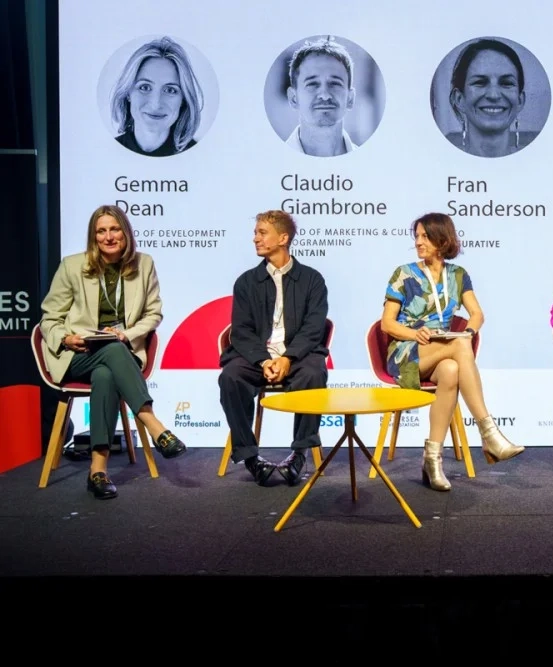
Panellists at the paper launch discussed how lifestyle trends are changing. People are embracing their community and their surroundings and demand more from it, our research demonstrates the financial value in this shift.
Selina Mason, Lendlease, said “Master planning used to be who’s going to pay the highest rent, but the conversation has changed to whose going to create the biggest value. We want to create a city that generates life.”
The outperformance in residential values is comparable to the local economic effect associated with large-scale urban regeneration, green or blue spaces, popular schools, or certain grocery stores being adjacent to homes.
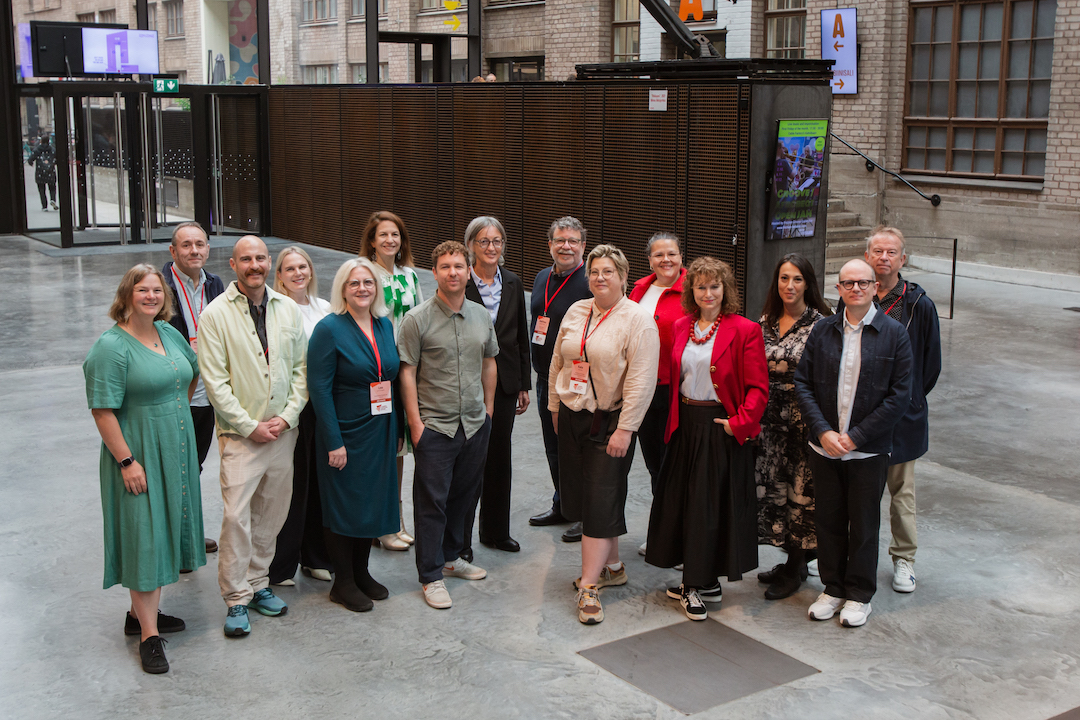
Hosted at Get Livings’s creative hub, opened by Christopher Raeburn, part of the new Stratford development. Ailish Christian-West, Director of Real Estate, explains the growing requirement for creative infrastructure as lifestyle trends change from consumerist to participatory. “We’re looking to build somewhere that feels secure, sustainable, useful, lovely, and animated; that’s where the value lies.”
She goes on to explain how we need to ditch the historic way of operating space and that as we see the rise in ‘build to rent’ the property sector needs to align with creative industries. Planning needs to incorporate lifestyle, social value and wellbeing, and investment will have to reflect this.
If you’re in the city or part of a community and you see art, you get it, but if you’re an overseas investor, we’re not sure if that argument is so easily won; financial value is needed to cement the impact of creatives.
However, this requires more than a token gesture, communities take time to time to build, previously organic growth formed small but growing collectives now struggling to survive due to rising land prices. Stakeholders need to work together to build new models that support creative industries.
Our research establishes a long-term value uplift, dependent on the presence of creative workspace. Demonstrating a need for commitment to long-term affordable creative workspace is crucial in sustaining property values.
To read the full report, please click here