Taking on Alice Billing House with Marguerite Metz at Grow Studios
Grow Studios manages the studios and delivers the arts and heritage outreach programme at Creative Land Trust’s Alice Billings House project. They have additional sites in Hackney Wick and Plymouth.
Here CLT speaks to Marguerite Metz, Cultural Engagement Manager and Studios Manager at Alice Billings House.
“We believe in a London where artists, makers and creative communities are recognised as essential urban infrastructure, embedded within neighbourhoods across the city and supported by permanent, affordable spaces in which to develop their work.“
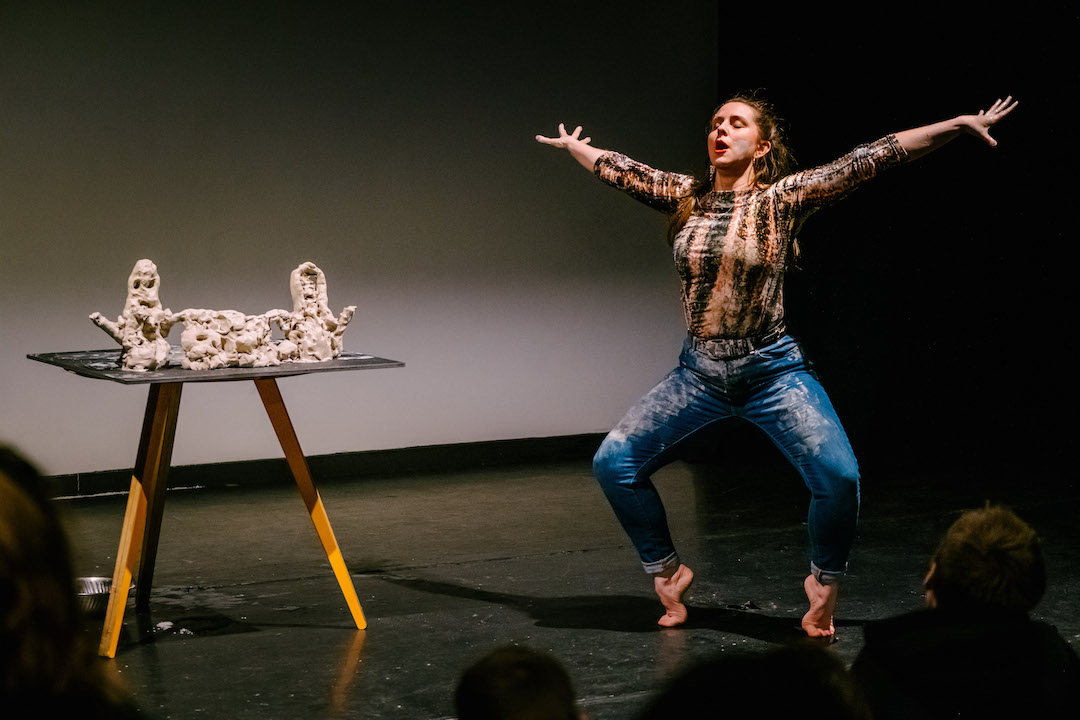
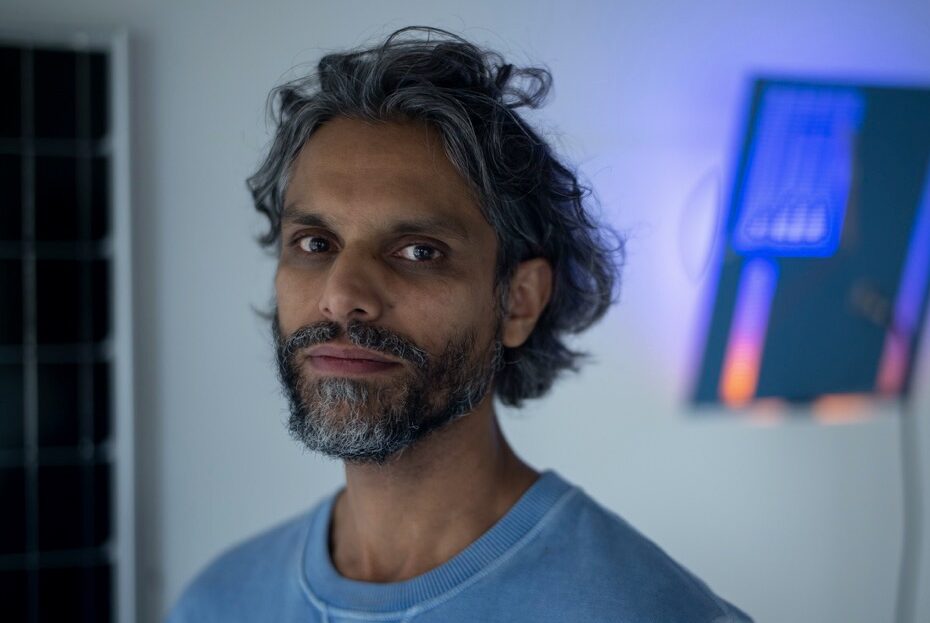
MM: My name is Marguerite Metz, and I run the Cultural Engagement Programme at Alice Billing House. I also manage the artists' studios there. The main part of my role is to bridge the gap between arts and heritage for the communities of Newham and the artists based here. This involves programming and commissioning projects and events that engage people with the heritage of the building and its namesake, Alice Billing. It is also about introducing people to grassroots art and encouraging engagement with it.
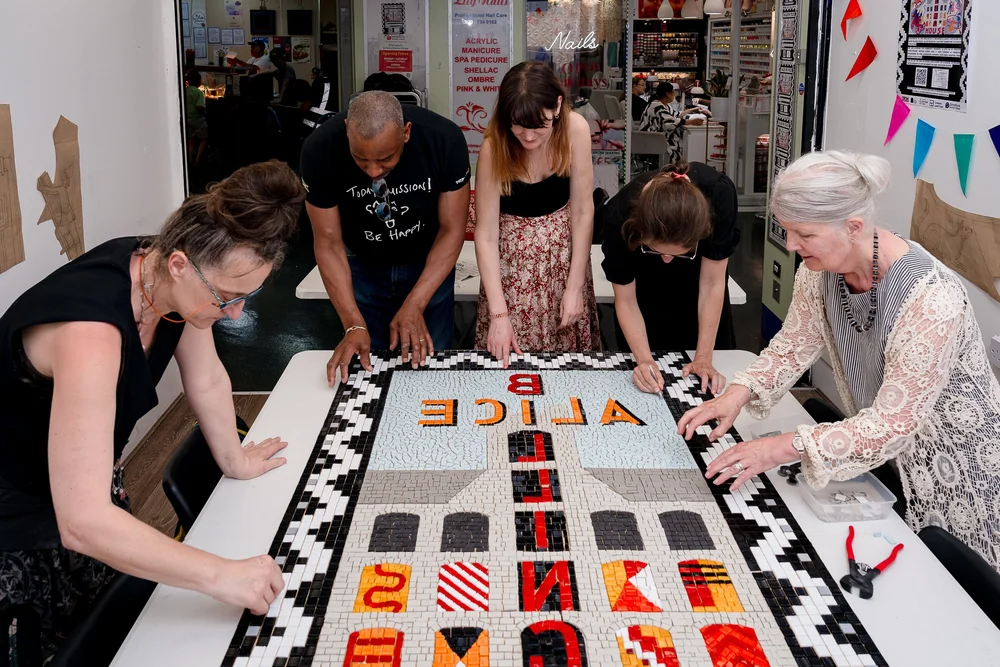
A good example of this is our latest project, Tales in Tiles, a community mosaic project. We commissioned renowned mosaic artist Tessa Hunkin, who had previously worked on the Hackney Mosaic at Shepherd's Walk. She designed five mosaic panels: three exploring the building's history as a fire station and firefighters' accommodation, and two celebrating Alice Billing, the house's namesake, and her role as Newham's first female sanitary inspector.
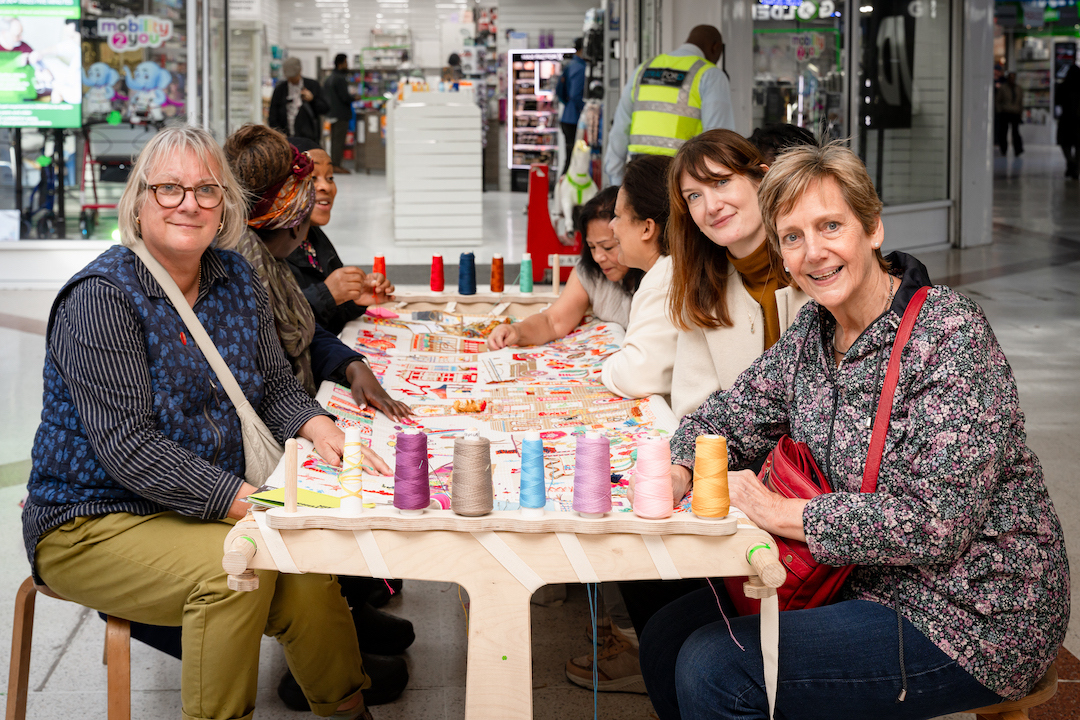
We took a space in Stratford Shopping Centre and brought together a group of local people through our community networks and promotional channels. We also established a core group who worked together to create the five panels. It was a great project, and we managed to involve people who might not otherwise have known that we were here.
We had a real spectrum of participants, from builders and housewives to pensioners and ceramic artists.
CLT: Can you tell us a bit about where those mosaics will eventually end up?
MM: The North Block at Alice Billings House is undergoing major renovations, and the mosaics are due to be installed in our mosaic courtyard, telling the story of the building and Alice Billing.
We've completed two of the five panels so far, and we're hoping to secure the funding to complete the remaining three.
CLT: Could you give us an introduction to the building, including how many artists are based here and how the studios are organised?
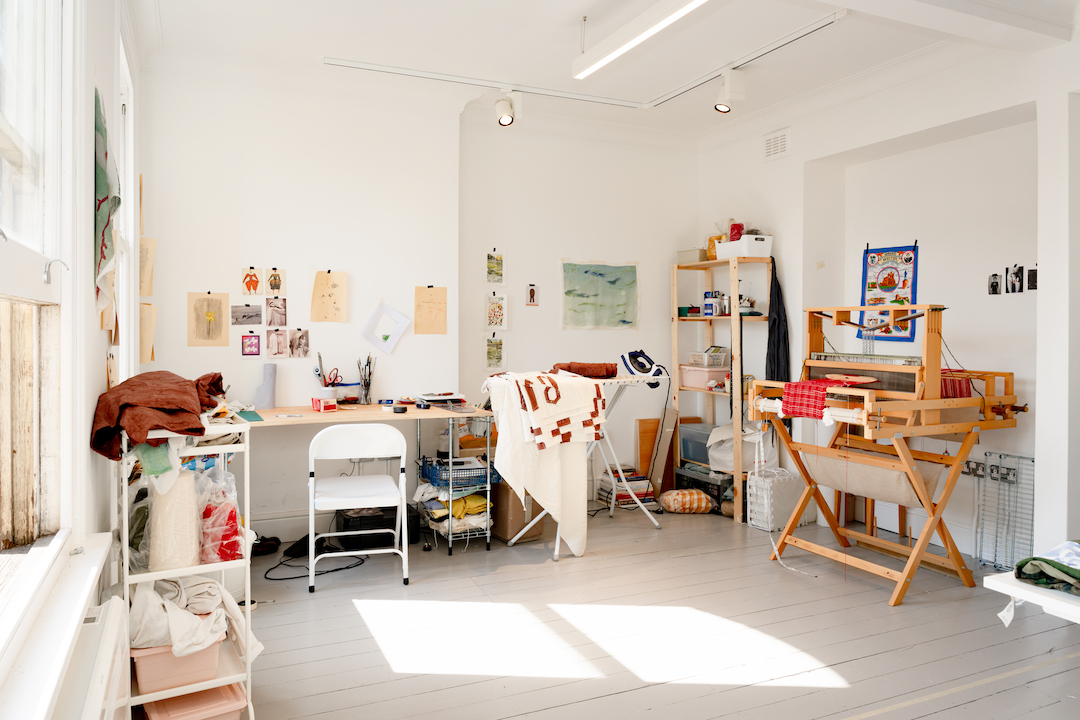
MM: In the South Block at Alice Billing House, there are 11 studios and two co-working spaces, which consist of four art booths and five desks.
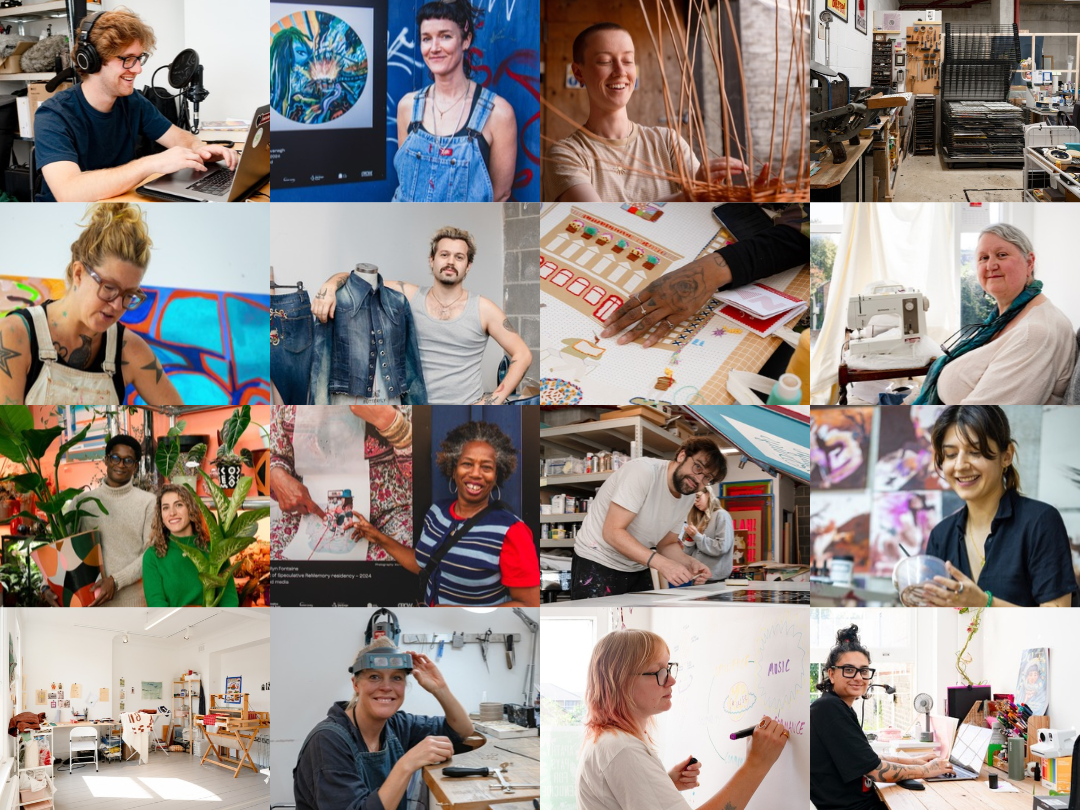
The studios are all reasonably sized. Some accommodate up to four artists, while others are occupied by individual artists. We also have a real mix of people and practices, from textile artists and architects to community film production and more traditional artistic practices involving oil painting and sculpture. It's a real cross-section of creativity.
CLT: What are the plans for the other parts of the building?
MM: There will be an additional 11 studios. Again, we're hoping to attract a diverse mix of artistic practices and people to the North Block.
They're due to come online in summer 2027, so we're looking forward to receiving applications from across Newham and perhaps a little further afield. However, our focus is on creatives from Newham.
CLT: How do the studios here fit into the wider Grow Studios network? Are they different from the other sites?
MM: Grow's main site is in Hackney Wick, and that's a much larger development. They also have a broader range of people and practices, including music studios as well as artists' studios. So, it's a slightly different offering, but it's great to have the two sites as part of the same network.
CLT: How do you manage and grow the community here? What kind of support do you offer to artists in the building?
MM: On a day-to-day basis, we offer a range of support. Until recently, we had a project space available to studio holders if they needed a breakout space or somewhere to hold a meeting. That's currently undergoing renovation, but once the builders have finished, we'll have something similar in the form of a community pavilion.
So, alongside the artists' studios, we'll have a project space, that people can use for artist-led gatherings and events.
I've also been building relationships with lots of other creative partners in Newham, and I'm often trying to connect people with opportunities. Through our engagement programme, we also regularly employ artists from within the studios. There are a range of ways in which we can support them.
CLT: I wonder if you could talk about the work with Building Crafts College, and perhaps also the time capsule, which I understand was a commission and involved a workshop.
MM: We're partnering with Building Crafts College, a practical college that teaches heritage crafts, particularly stonemasonry and carpentry.
We commissioned their maker-in-residence to work with us and build a time capsule. To celebrate the completion of the North Block and the wider development, we wanted to bury a time capsule. We've been working on this since 2020, holding several workshops to create things that could go inside it. However, we obviously needed the time capsule itself, too.
We've partnered with Ed Shamwana as local Maker in Residence, who is building it using reclaimed boards from the North Block. These were originally painted by local artist Andy McManus, and we're turning them into a box in which the time capsule items will be enclosed. The box will then go on display.
As part of the project, we also wanted to do some community engagement with young people. We partnered with the college to offer two open days for people interested in finding out what they might do after leaving school. They could look around the college, find out about Alice Billing House and Alice Billing's career as a designer-maker, and try their hand at some of the activities they might encounter if they came to study there.
They had the opportunity to try stonemasonry, for example. It was a wonderful way of showing young people that becoming a designer-maker or maker is a viable career option.
It was a positive collaboration, and one that's still ongoing, as the time capsule is currently being designed and made.
CLT: Could you also talk about the hoarding project that you've just completed?
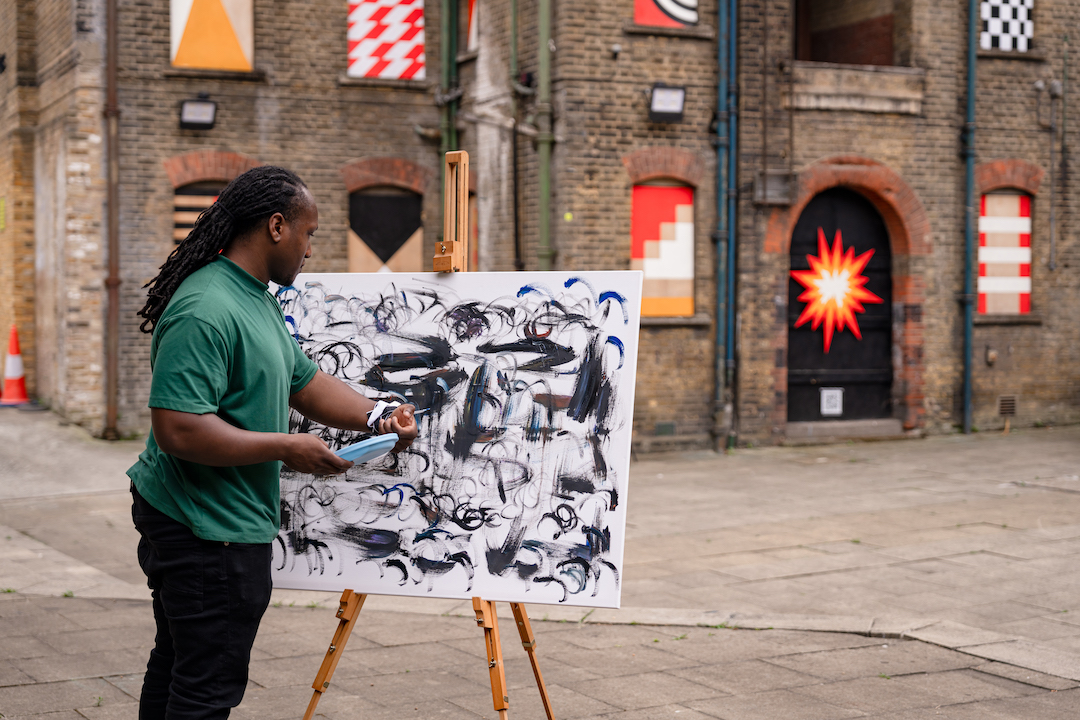
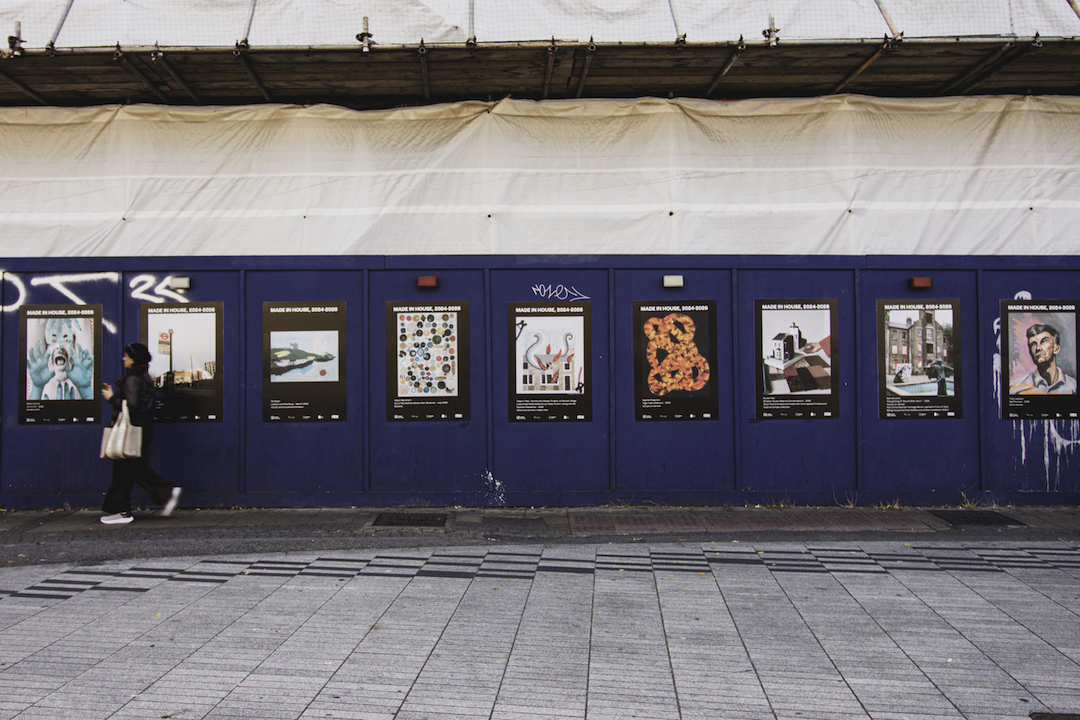
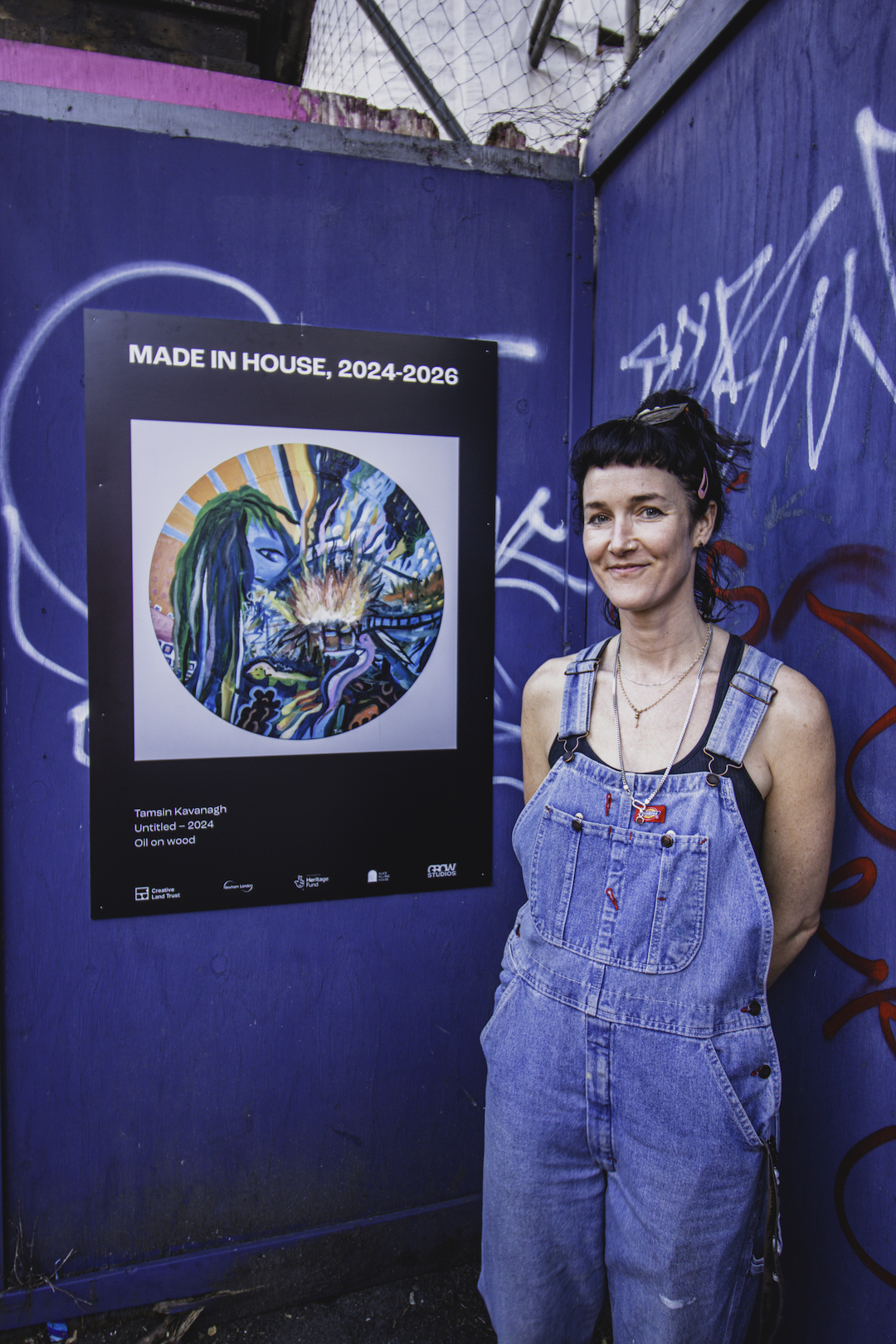
MM: We've just completed the Hoarding Project along the Old Courthouse.
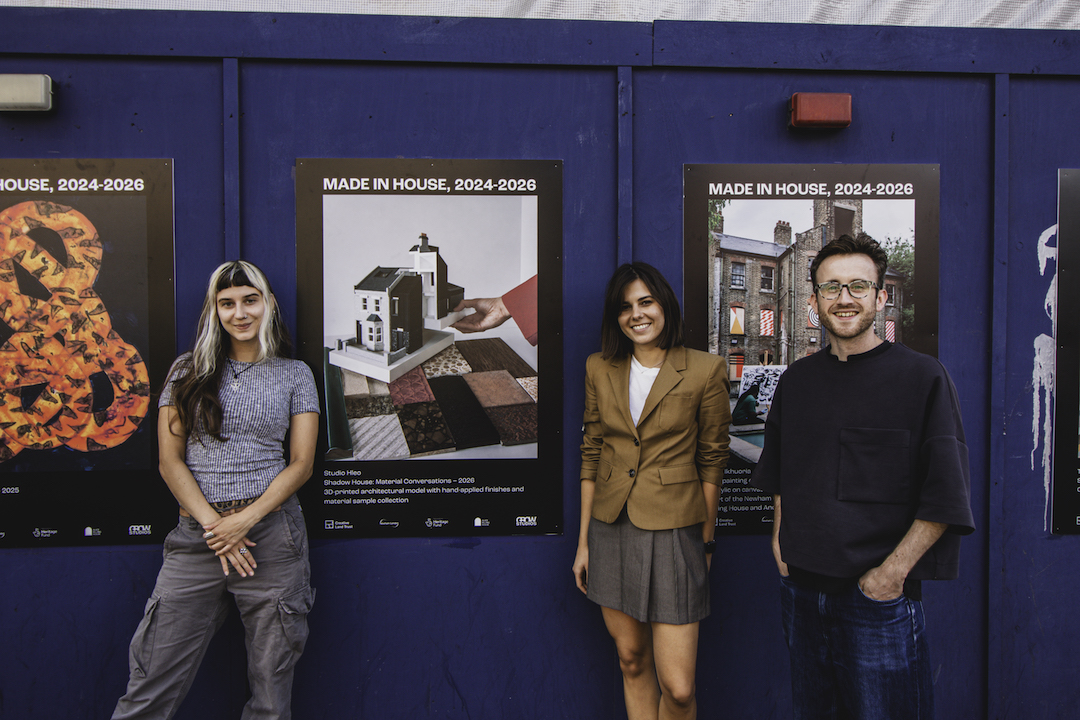
A project was previously commissioned to exhibit artwork by local community members celebrating artists living and working in Newham and ahead of the South Block opening. With the building now open, we felt it was time to replace these with new artworks to celebrate the next phase in the development.
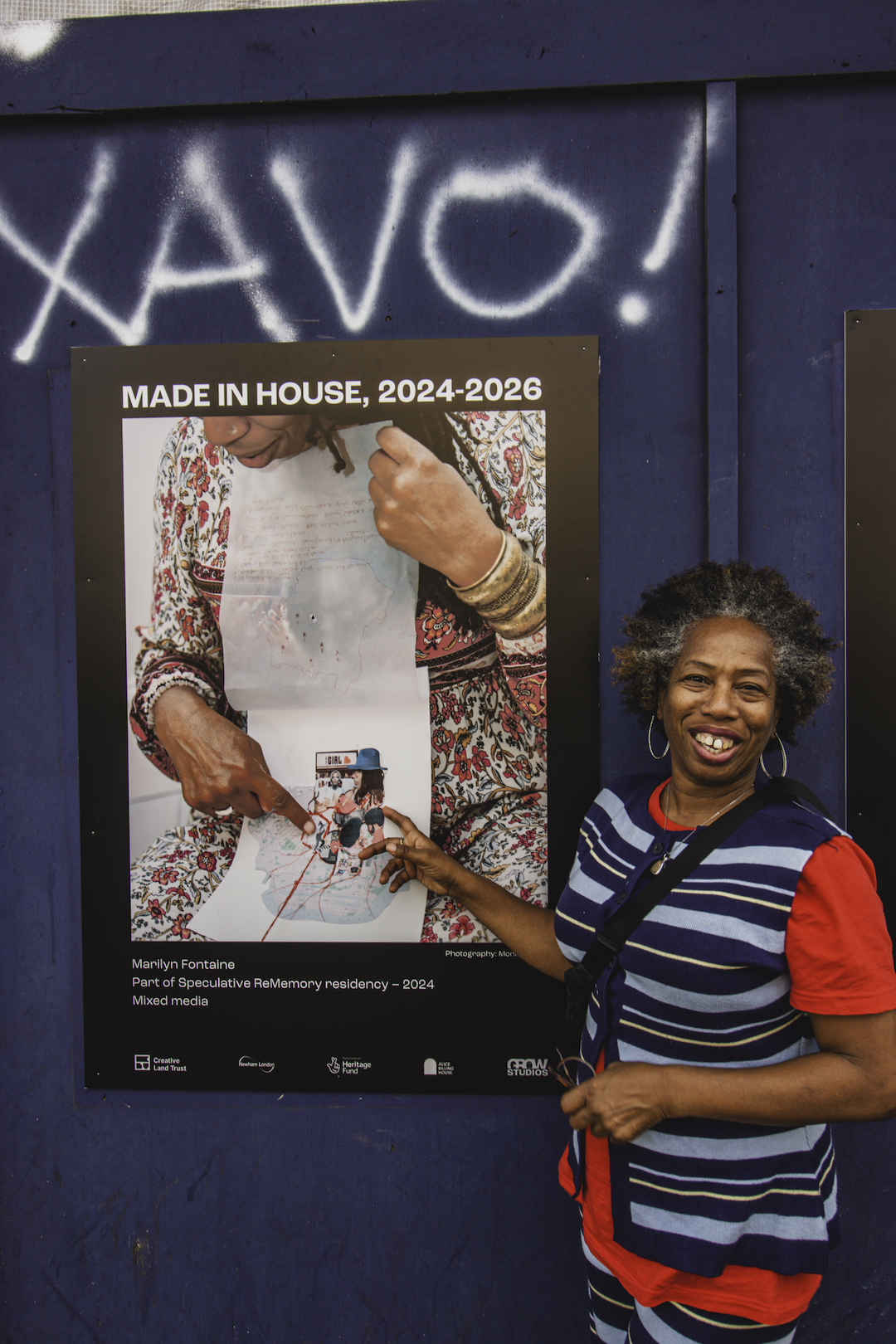
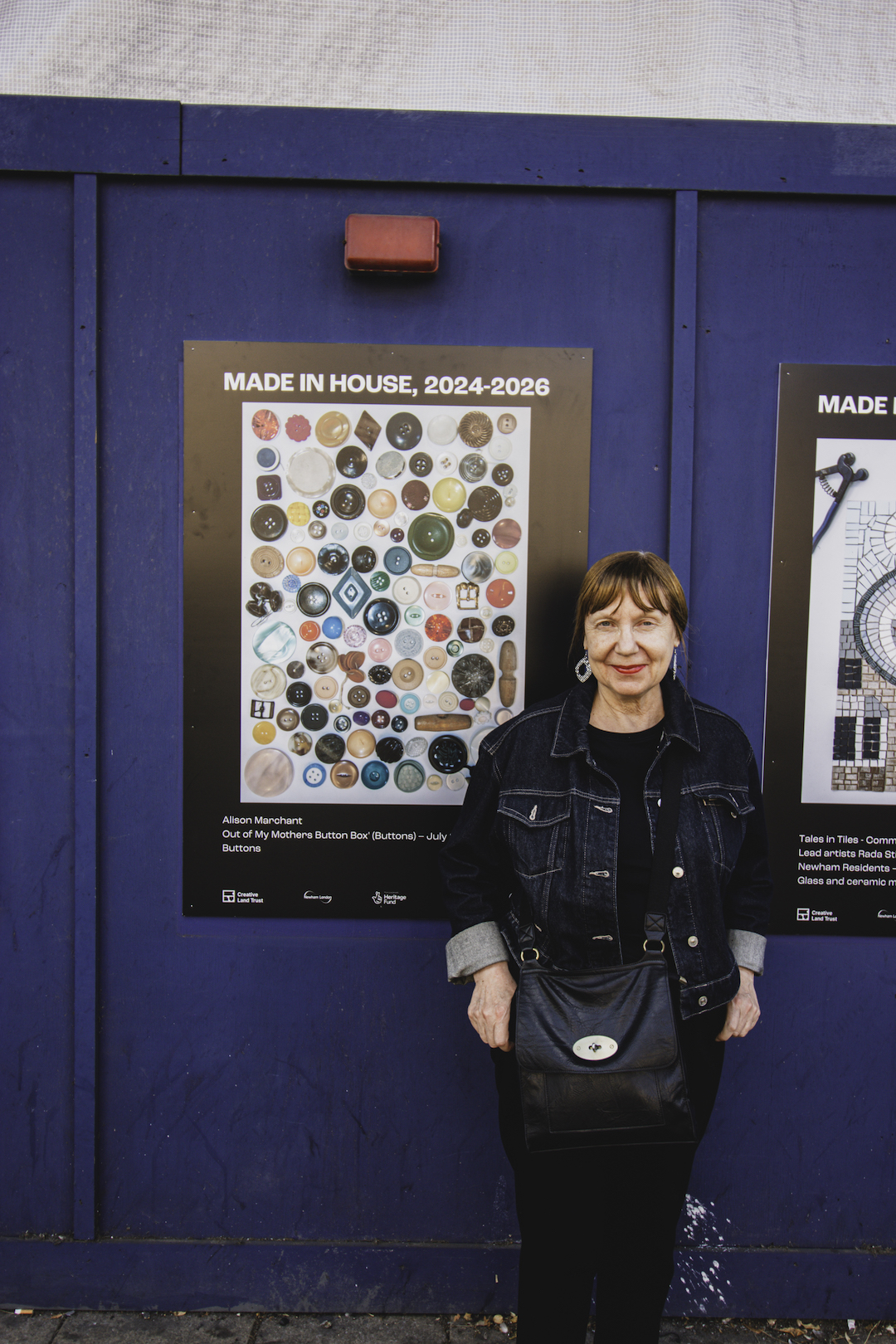
We invited our studio holders to submit work they'd made at Alice Billing House during the first two years of operation, from 2024 to 2026.
As we can't hold an open studio event this year because of the renovations, we wanted the project to coincide with the time when we would normally hold our open studios, which would have been this weekend and coincides with Open House weekend.
We received lots of brilliant submissions, and we now have artwork by 17 of our studio holders displayed on the hoarding in front of the derelict Old Courthouse on West Ham Lane for the public to see.
I've already noticed several people stopping to look at the work and read about it on their way to work, which has been lovely to see. I think the studio holders have really appreciated having their artwork displayed in such a public setting. It's been a more accessible kind of exhibition, and it's been a good project to deliver and complete.
CLT: Finally, could you talk a little more about the relationship with Grow Studios and the benefits of being able to deliver affordable studio space here?
MM: Having worked in artists' studios throughout my career, I know how affordable these studios are. They really offer a platform that doesn't exist in much of London anymore.
Commercial premises have become so expensive, and no part of London has been left untouched by that. Hackney Wick, for example, used to have one of the largest artist communities in London, but it has been completely transformed, and studio prices have been pushed to a point that is increasingly unaffordable, particularly for grassroots artists.
Something like Alice Billing House allows that community to continue and allows artists to stay in London. I know that many of the studio holders here are so grateful to have such affordable spaces because they probably wouldn't be able to have a studio otherwise.
It's something I wish could be applied in more places.
GROW has another studio site that is very buzzy and has a fantastic creative environment, but it also faces different pressures because it has different landlords.
Having CLT as a landlord has therefore been hugely beneficial for our studio holders and has enabled us to offer genuinely affordable studios.