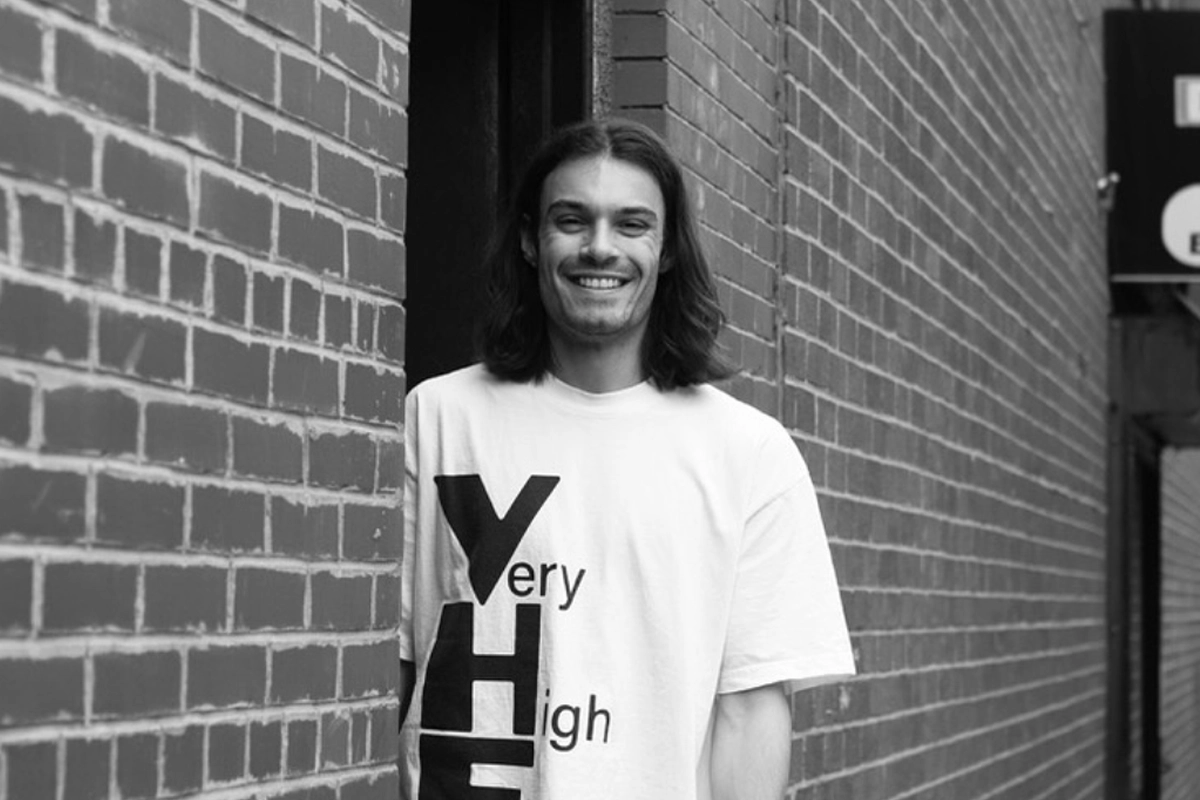
Shipton Gallery founder, Thomus Da Costa
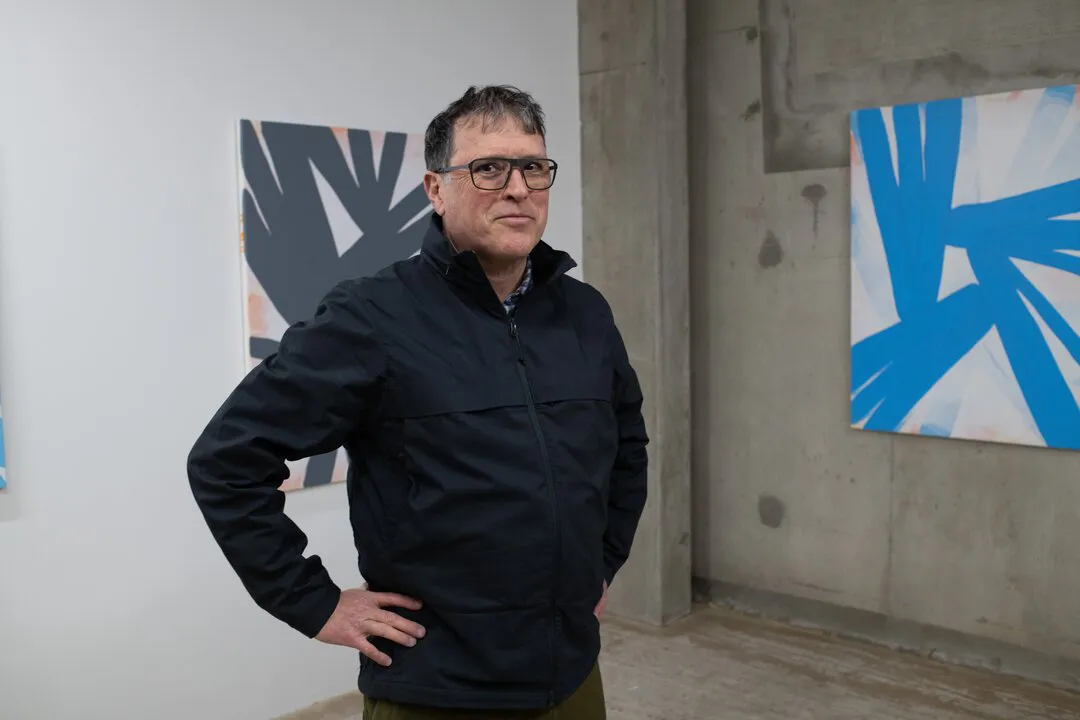
This month, we speak with Thomus, founder of Shipton, a contemporary art platform rooted in Hackney Wick.
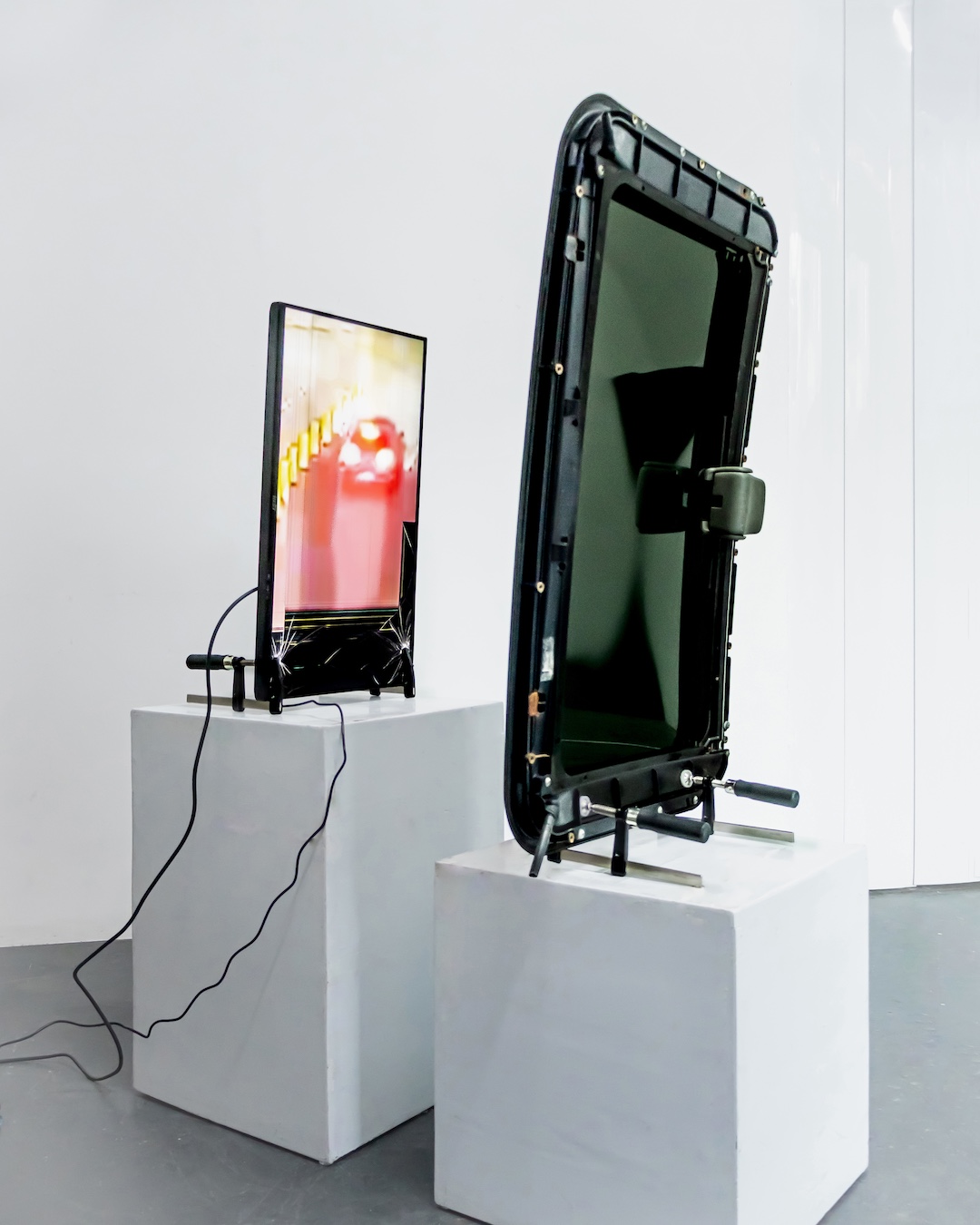
We visit Thomus DaCosta, founder of Shipton, a contemporary art platform, at our Hackney Wick studios by Mainyard, where a one-room gallery has grown into a space for experimentation and long-term artist development. Rebecca, from Creative Land Trust, traces this journey alongside glimpses of the most recent exhibition, true idle by Linn Phyllis Seeger.
Rebecca:
Who are you and what do you do?
Thomus:
I’m Thomus DaCosta, founder of Shipton, a contemporary art platform based in Hackney Wick, working with artists at formative moments in their practice.
It didn’t start as a platform. I was completely unknown in the London art scene and had no formal experience. Shipton began as a single-room gallery off Columbia Road on Shipton Street. That was where I learned everything: how to paint a wall, install exhibitions, work with artists, and run something that could sustain itself. It was less a gallery in the traditional sense and more a kind of sandbox, testing what worked, what didn’t, and how to create opportunities where there weren’t any.
Over time, that’s evolved into a residency-led programme. Instead of only producing exhibitions, I now work more closely with artists over a longer period, offering studio space, introducing them to my network, helping shape events to build their audience, and culminating in a show that reflects that development.
My background is in literature, theatre, creative writing, and marketing. I originally intended to go into film and TV, but after the pandemic disrupted that path, I came back to London and ended up working in my family’s black taxi business. After finding my footing, Shipton emerged from a desire to tell stories, realising that cinema wasn’t the only way to do that.
Rebecca:
How have you found your studio at Mainyard and the wider Hackney Wick community?
Thomus:
Mainyard is pretty fundamental to how Shipton operates.
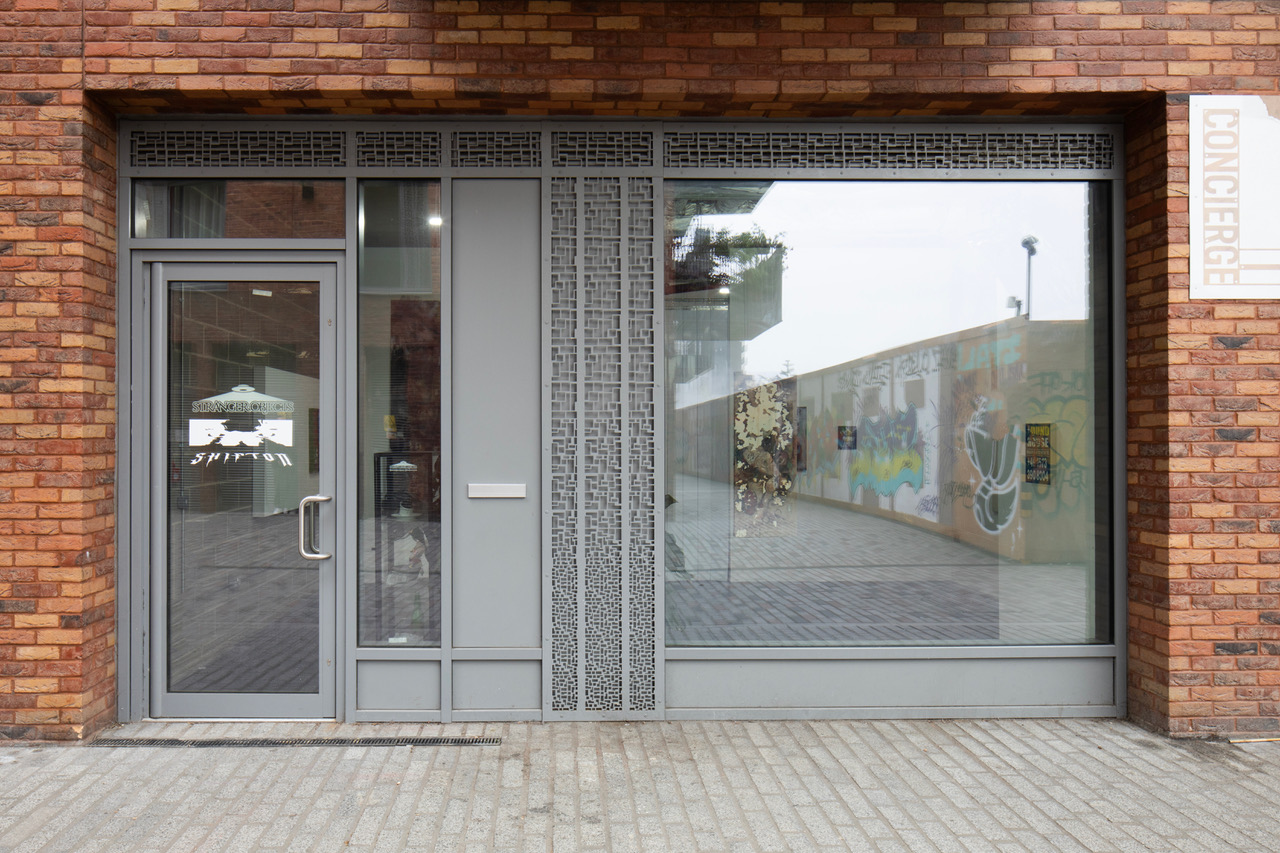
You’re surrounded by people who can actually make things, so the gap between an idea and executing it becomes very small. I build and install exhibitions with my studio mates, and I’ve developed an ongoing relationship with Print Big UK here as well. They help produce posters and vinyl for our street-facing window, which is a big part of how we pull people in.
There’s also a natural openness to the space. You don’t need formal introductions. If you need something, you can knock on a door and figure it out quickly. That kind of proximity makes everything more fluid.
The affordability is just as important. With Creative Land Trust subsidising the rent, it makes a space like this viable. Without that, something like Shipton, especially at an early stage, would be much harder to sustain.
Hackney Wick itself is changing. Since the opening of the V&A East, you’re seeing a broader mix of people coming through, not just artists.
Right now, it still functions more as a through-route than a destination. But as the development settles, with more cafés and places to stop, you start to get dwell time. That’s when it shifts. People don’t just pass by; they come in, spend time, and engage with what’s happening.
Rebecca:
Could you tell us about one of your recent projects?
Thomus:
The main shift recently has been moving into a residency-led programme.
After doing over 20 shows with more than 80 artists, including projects in Amsterdam and New York, it became clear that exhibitions alone weren’t enough. They build visibility, but not always depth. I wanted to spend more time with artists, build stronger relationships, and create the conditions for them to evolve and for their practices to expand.
The residency does that. It brings together studio space, ongoing dialogue, and a wider network, and the exhibition becomes a result of that process rather than the starting point.
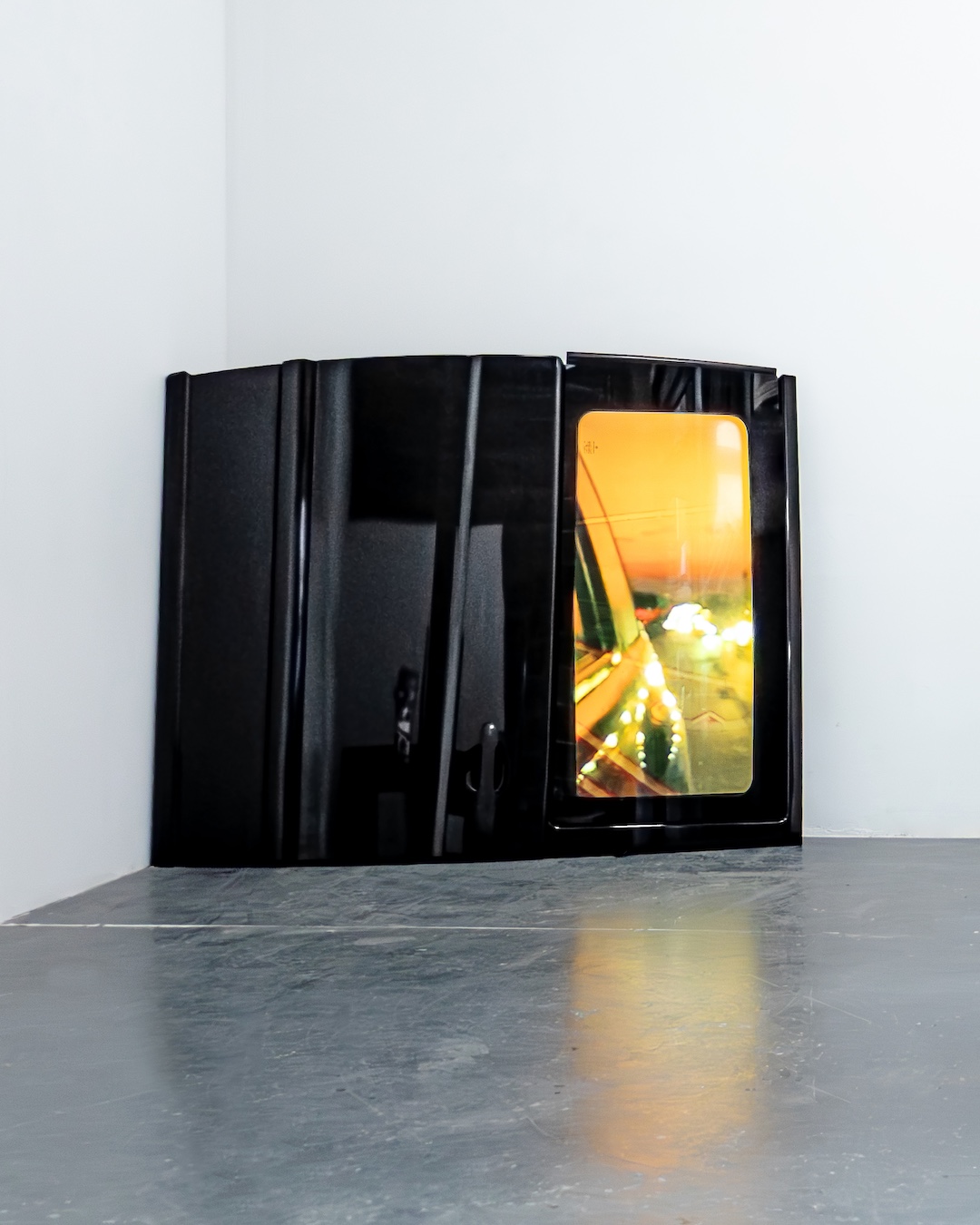
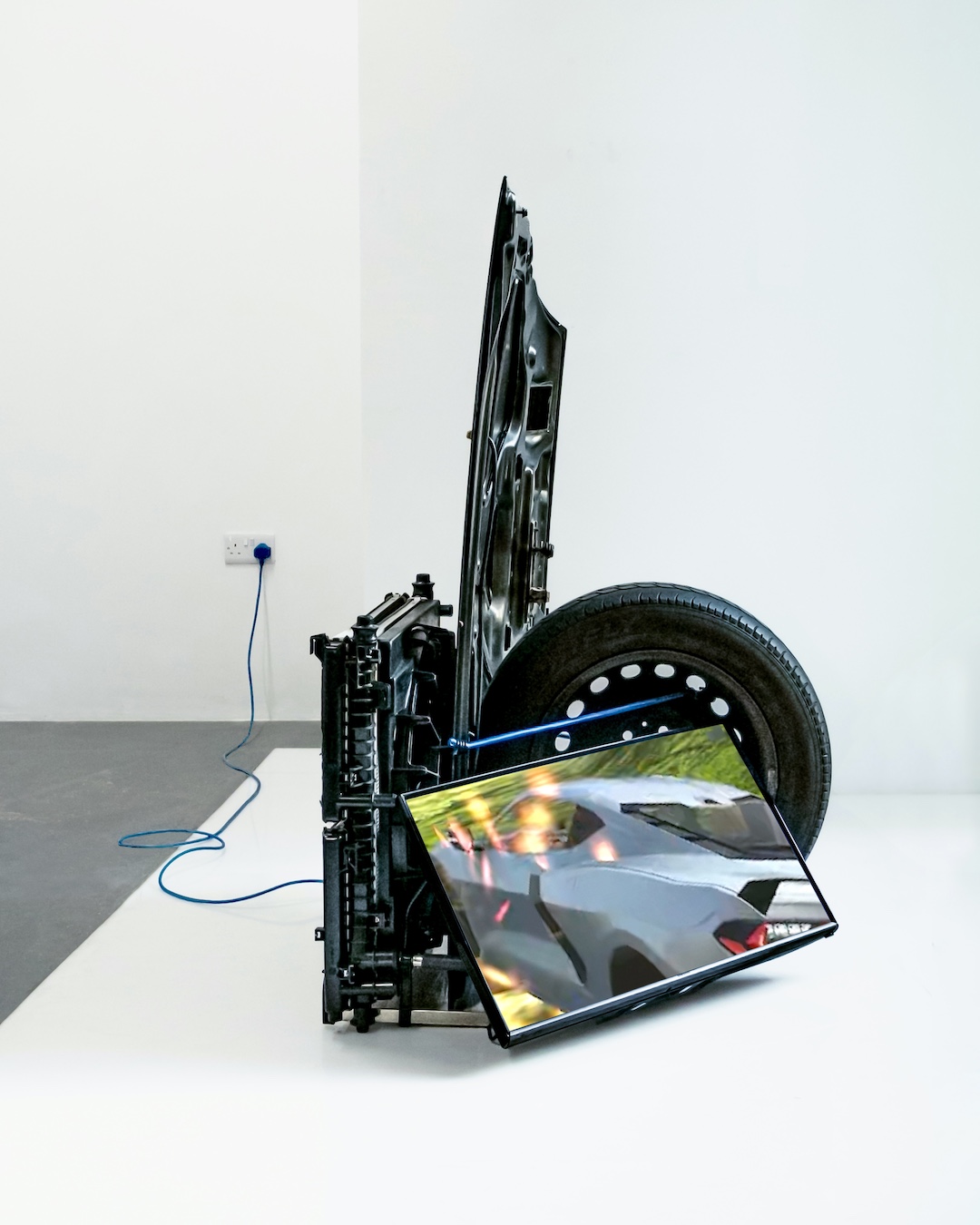
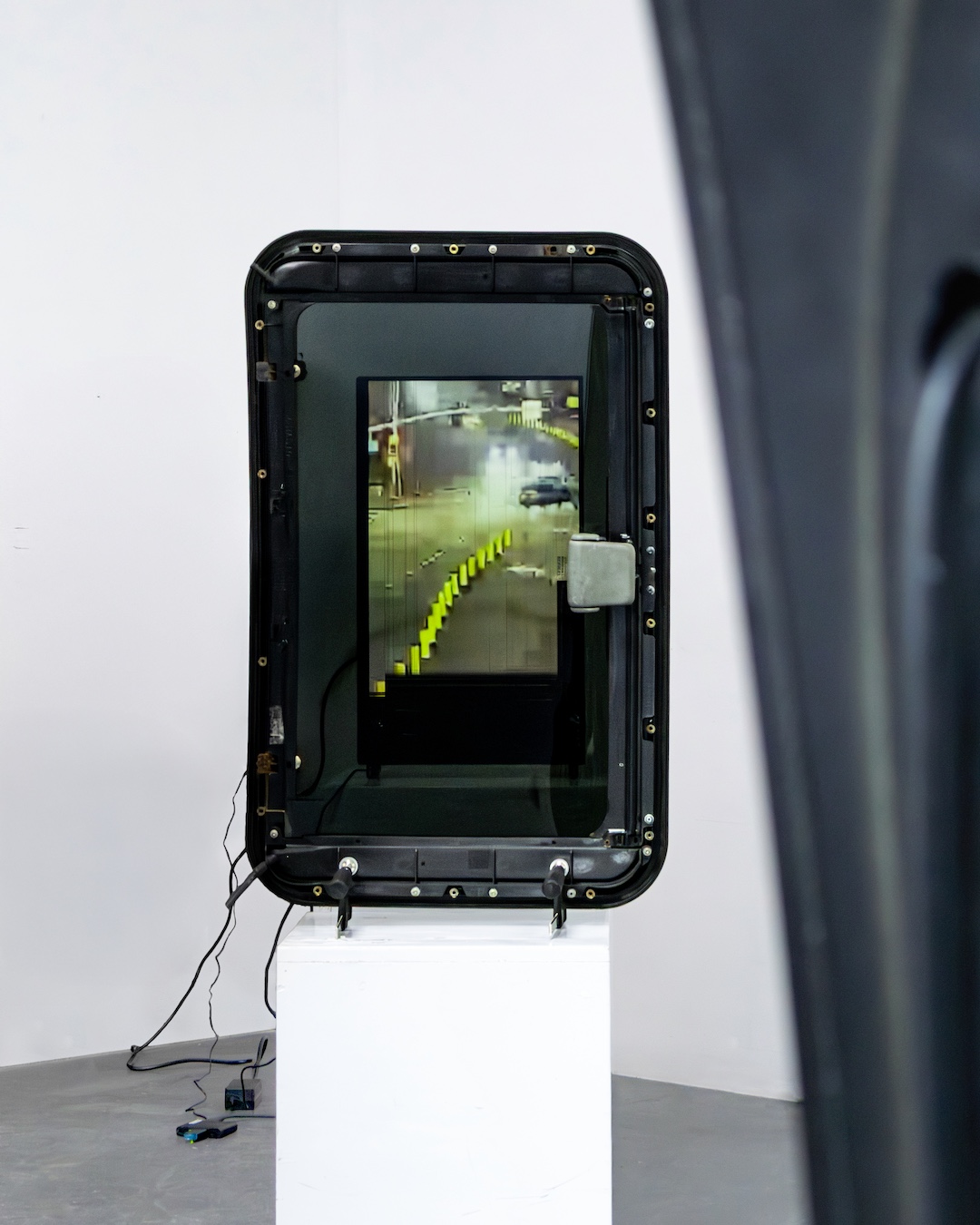
Linn Phyllis Seeger’s true idle was the first project within that structure. It developed over a three-month residency and became her first UK solo exhibition.
The work looks at the relationship between the personal car and the personal device, drawing from her research into how automobility sits within the logic of Silicon Valley technologies. The sculptures combine reworked automotive components with short-form videos pulled from her iCloud archive.
What you get are these idle systems. Mechanical and digital fragments that no longer serve their original function. They’re running, but not progressing.
Alongside the exhibition, there was an essay written by Arianna Caserta, and a public programme curated by Linn, including a screening with collaborators and an artist talk with Dr Linda Rocco.
For Shipton, it’s a clear example of what this model allows. The artist and the work develop in tandem, and the final show brings it all together. We’re now continuing that with our next resident, Nicolaas Victor van de Lande.
“You’re surrounded by people who can actually make things, so the gap between an idea and executing it becomes very small. “